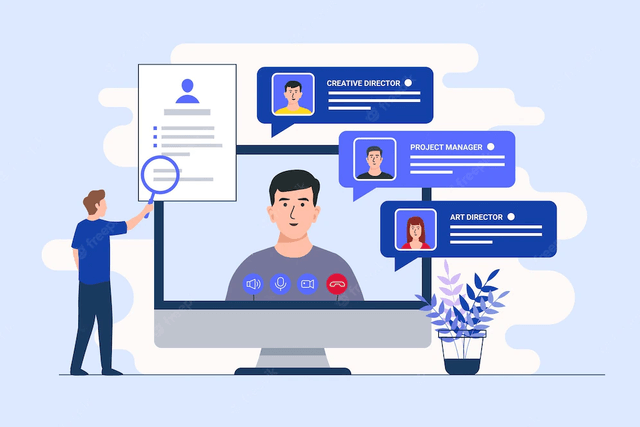




Hiring a CEO, CFO, CHRO, or CTO is one of the highest-stakes decisions an organization can make. The right leader doesn’t just fill a seat—they set vision, accelerate growth, rally teams, and steer the company through market shifts. The challenge is that world-class executives are rarely looking, competition for them is fierce, and the nuances of compensation, confidentiality, and cultural fit make C-suite hiring uniquely complex. That’s where executive search firms earn their keep: mapping markets you can’t see, opening doors you can’t knock, and pressure-testing candidates in ways most in-house teams can’t replicate.
Below are ten respected executive search partners for C-level hiring. Each combines rigorous assessment with discreet, relationship-driven recruiting. To help you choose, we outline what they’re known for, typical strengths, and the kinds of mandates where each tends to shine.
1) Korn Ferry
Korn Ferry is widely recognized for end-to-end leadership advisory—search, assessment, succession, and leadership development—making it a strong option when you want more than a shortlist. The firm’s methodology integrates role profiling with research-backed assessments to de-risk the human side of executive transitions. For boards seeking a CEO or CHRO who can transform organizations, this blend of search plus development creates continuity long after the hire.
Clients often appreciate the depth of Korn Ferry’s industry coverage. Cross-border capability and access to a broad executive community help them deliver candidates who’ve scaled businesses, navigated complexity, and managed stakeholders at pace. If you need a leader aligned to strategy, culture, and performance outcomes—not just a resume—this is a compelling choice.
2) Spencer Stuart
Spencer Stuart is synonymous with board and CEO work, prized for precise cultural diagnostics and nuanced stakeholder alignment. The firm invests heavily in understanding governance dynamics and leadership potential over time, which is particularly valuable when a company is balancing transformation with continuity.
Their evaluative approach goes far beyond interviews. You can expect rigorous referencing, pattern recognition across comparable turnarounds or growth stories, and clear communication with directors. Organizations seeking a steady hand for succession planning—or a high-impact external CEO/CFO—often find Spencer Stuart’s counsel as valuable as the candidates themselves.
3) Heidrick & Struggles
Heidrick & Struggles blends global reach with a keen focus on agility and innovation. Known for technology, digital, and private equity-backed mandates, the firm often surfaces leaders comfortable operating at the intersection of strategy, data, and culture. They also emphasize inclusion and diverse slates, helping clients future-proof leadership teams.
Expect disciplined market mapping and well-run processes, from calibrating the brief to onboarding. Where speed matters—without sacrificing diligence—Heidrick’s coordinated international teams can engage scarce talent quickly and maintain candidate momentum through complex negotiations.
4) Russell Reynolds Associates
Russell Reynolds Associates stands out for research-driven leadership science and change leadership expertise. The firm’s advisory work on culture, ESG, and transformation often complements CEO and board searches where stakeholder expectations are evolving fast. Organizations in regulated or reputation-sensitive sectors value the firm’s discretion and depth.
What sets RRA apart is how they stress-test candidates against the realities of the role: strategy shifts, investor pressures, and team dynamics. If you’re approaching a pivotal inflection—merger, spin-off, digital overhaul—this lens helps you choose a leader who will thrive under real-world conditions, not just interview well.
5) Egon Zehnder
Egon Zehnder is known for a partnership model that prioritizes long-term client relationships and leadership development. Their consultants often stay involved beyond placement to support integration and succession, which helps maintain momentum through the first 12–18 months of a new executive’s tenure.
The firm’s assessment philosophy emphasizes potential and values, not just past achievements. That’s especially useful when hiring for roles that demand step-change growth or culture shift. If your brief is to find a leader who can elevate teams and steward a multi-year transformation, Egon Zehnder’s approach aligns well.
6) Odgers Berndtson
Odgers Berndtson combines strong global coverage with meaningful local presence, making it a smart pick for multinational organizations that still want in-market insights. The firm is effective across core corporate functions—finance, operations, HR, technology—and has credible depth in industrials, life sciences, consumer, and public sector.
Clients like Odgers for its balance of thoroughness and accessibility. You can expect a collaborative search process, robust candidate briefing, and thoughtful references that illuminate leadership style and execution track record. It’s a good fit for companies that value partnership and practical, on-the-ground market knowledge.
7) Boyden
Boyden brings a relationship-first model with partners deeply embedded in their markets. That proximity can surface off-radar candidates—especially founders, operators, or divisional leaders ready for C-suite elevation. Boyden also excels when sensitivity is paramount, managing replacements and confidential upgrades with care.
Their strength shows in mid-cap and private-company contexts where agility, cultural fit, and hands-on leadership matter. Expect a search process that adapts to your pace, with transparent communication and candidate feedback loops that help hiring committees align quickly.
8) Stanton Chase
Stanton Chase is a partner-led firm with sector specializations across technology, financial services, consumer, industrials, and healthcare. The partnership structure encourages senior-level attention throughout the engagement, which many clients cite as a differentiator for nuanced C-suite mandates.
The firm’s approach blends structured assessment with narrative referencing, capturing how candidates lead through ambiguity. If you’re seeking a CFO comfortable with capital markets, a CHRO who can modernize talent systems, or a CTO who can translate strategy into architecture, Stanton Chase offers practical, execution-oriented talent solutions.
9) Diversified Search Group
Diversified Search Group is known for inclusive leadership hiring and building executive teams that reflect a broad range of backgrounds and perspectives. This is particularly valuable for organizations aiming to connect leadership composition with market demographics, innovation, and employer brand.
Beyond diverse slates, the firm focuses on retention and integration—thinking about the systems and sponsorship executives need to succeed. For clients who see DEI as a strategic lever, not a box to tick, Diversified Search Group provides both reach and credibility with high-performing, values-driven leaders.
10) DHR Global
DHR Global offers a blend of speed, senior attention, and pragmatic assessment—well suited to high-growth businesses and sponsor-backed companies that need decisive leadership. The firm is often tapped for roles where operational excellence and scaling capability are non-negotiable, from CEO and COO to product and technology chiefs.
DHR’s processes emphasize crisp alignment on success profiles, competitive intelligence, and candidate readiness. If your search demands quick traction without sacrificing quality—think post-acquisition integrations or new market entries—DHR’s pace and transparency can make a material difference.
How to Choose the Right Executive Search Partner
1. Start with clarity. Before you meet firms, articulate the problem you’re solving: why this role, why now, and what “great” looks like in 12–24 months. Convert that into a success profile that blends strategy outcomes (growth, margin, transformation milestones) with capabilities (change leadership, stakeholder management, digital fluency) and cultural anchors (values, decision style, team norms). The sharper your brief, the better the market response.
2. Evaluate methodology, not just network. Ask how the firm defines and tests for potential, how it assesses culture fit, and how it builds longlists beyond the usual suspects. Look for evidence of diverse slates and structured assessment—case interviews, simulations, validated psychometrics, and multi-source referencing that goes deeper than title-hopping.
3. Check who does the work. Senior partner engagement throughout the search typically correlates with quality. Clarify the delivery team, weekly cadence, and what you’ll see—market maps, talent heat-maps, candidate write-ups, and reference frameworks. Probe their plan for confidentiality if your search is sensitive or replacing a sitting executive.
4. Consider context and constraints. If you operate across borders, you’ll need cross-regional reach and a clean approach to off-limits. If you’re sponsor-backed or on a turnaround clock, you’ll want tighter timelines and an appetite for operators who can ship results fast. If inclusion is central, ensure the firm’s track record shows measurable outcomes, not just intent.
5. Align on speed and transparency. Great searches move quickly because stakeholders are aligned, not rushed. Set milestones for calibration, longlist presentation, first-rounds, and finalist selection. Expect candid updates on pipeline health and risks. The right partner will escalate blockers early—compensation compression, brand perceptions, relocation friction—so you can adjust.
What a Strong C-Suite Search Process Looks Like
A robust process typically begins with discovery sessions across the board and executive team to triangulate strategy, culture, and role design. The search firm then builds a precise success profile and employer narrative that resonates with top talent. Market mapping follows, covering direct competitors, adjacencies, and contrarian sources where capability outpaces title.
Early calibration interviews quickly test the brief and prevent months of drift. As candidates advance, structured assessment validates leadership range—how they navigate ambiguity, make trade-offs, and lead teams through change. Referencing should be multi-angle and scenario-based, yielding insights you can’t get from resumes. Offer design and onboarding plans are co-created, aligning incentives with early-day objectives to speed time-to-impact.
When to Choose a Global Firm vs. a Boutique
Global firms excel when governance scrutiny is high, international reach is essential, or the talent pool is unusually tight. They bring pattern recognition across thousands of leadership transitions and can mobilize resources quickly across markets and functions.
Boutiques shine when industry intimacy and founder-level access matter most. Many have unparalleled credibility in specific niches—deep tech, fintech, life sciences, consumer brands, or industrials—and can move with entrepreneurial speed. For PE-backed companies or mid-market growth stories, this agility can be decisive.
Final Word
C-level hiring is less about finding a star and more about finding your star—the leader whose skills, values, and leadership style unlock your next chapter. The firms above have strong track records helping organizations do exactly that. Define success clearly, choose a partner whose strengths match your context, and insist on a process that measures what truly predicts impact. Do that well, and your next executive won’t just fit the role—they’ll redefine it.