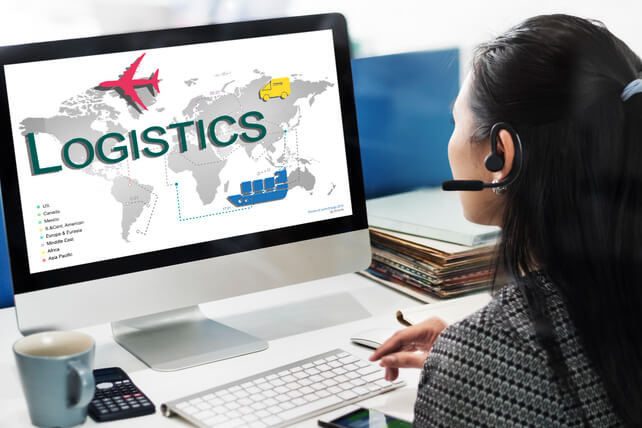




Retail and ecommerce businesses operate in one of the most demanding workforce environments. Employers may need to manage full-time corporate employees, hourly store associates, warehouse teams, customer service representatives, seasonal workers, and distributed ecommerce staff—all within the same organization.
Traditional HR processes can quickly become difficult to manage when employee schedules change frequently, staff work across multiple locations, and hiring increases dramatically during peak shopping periods. Retail businesses also need to closely monitor labor costs, attendance, overtime, payroll, training, and employee turnover without creating additional administrative work for store managers.



This is where modern HR software can make a significant difference. The best HR software for retail and ecommerce businesses combines employee management with capabilities such as recruiting, onboarding, scheduling, time tracking, payroll, workforce analytics, performance management, and compliance.
Some platforms are designed primarily for large retail enterprises, while others are better suited to growing ecommerce companies or smaller retailers with hourly employees. Below, we review 11 of the best HR software solutions for retail and ecommerce businesses in 2026.
What Is HR Software for Retail and Ecommerce?
HR software for retail and ecommerce is a technology platform that helps businesses manage employees throughout the workforce lifecycle. It can centralize employee information and automate processes such as recruitment, onboarding, scheduling, attendance tracking, payroll, benefits administration, performance management, and reporting.
Retail businesses often have requirements that are different from traditional office-based organizations. Employees may work irregular shifts, move between locations, earn different hourly rates, or join temporarily during holiday periods. Ecommerce businesses may also combine warehouse workers with remote customer support, marketing, technology, operations, and corporate employees.
For these organizations, HR software should provide both traditional human resources management and effective workforce management.
11 Best HR Software for Retail and Ecommerce Businesses
1. Rippling
Best for: Growing and multi-location retail and ecommerce businesses
Rippling is a comprehensive workforce management platform that combines HR, payroll, recruiting, benefits, scheduling, time tracking, and other employee management processes. It is particularly useful for retail and ecommerce companies that want to replace several disconnected workforce systems with one centralized platform.
Retail businesses can use Rippling to onboard associates, manage employee schedules across different locations, track working hours, process payroll, and make workforce changes from the same environment. Rippling specifically positions its retail platform around seasonal hiring, changing employee roles, multiple locations, scheduling, onboarding, and payroll.
Its centralized employee data model is particularly valuable when retailers expand. For example, when an employee changes location, pay rate, role, or employment status, HR teams can reduce the need to manually update the same information across multiple tools. Rippling is therefore a strong option for ecommerce brands expanding into physical retail, multi-state retailers, and organizations operating a combination of stores, warehouses, and corporate teams.
Key features:
- HR management
- Retail employee scheduling
- Payroll
- Recruiting and onboarding
- Time and attendance
- Benefits administration
- Workforce analytics
- Learning management
- Employee self-service
- Workflow automation
2. ADP Workforce Now
Best for: Retailers prioritizing payroll and workforce compliance
ADP is one of the most established providers of payroll and human resources technology, and its solutions are particularly useful for retail organizations managing hourly employees and multiple locations.
ADP’s retail solutions cover payroll, HR administration, talent management, time and attendance, compliance, and employee scheduling. The platform can help retailers calculate overtime, manage changing schedules, track employee hours, connect time records with payroll, and maintain workforce information across locations. ADP also supports integrations with other HR and business applications through its marketplace.
The platform can be especially useful for organizations where accurate payroll and regulatory compliance are top priorities. Retail employees may have different schedules, hourly rates, overtime eligibility, deductions, and employment arrangements. Connecting time tracking directly with payroll can reduce manual calculations and potential payroll errors. ADP offers solutions for businesses of different sizes, making it suitable for both established retailers and growing ecommerce companies.
Key features:
- Payroll processing
- Time and attendance
- Employee scheduling
- HR administration
- Recruiting
- Benefits
- Compliance tools
- Employee self-service
- Reporting
- HR integrations
3. Paylocity
Best for: Mid-sized retail organizations needing unified HR and payroll
Paylocity provides an integrated HR and payroll platform with tools for recruiting, employee management, workforce scheduling, payroll, training, communication, engagement, and workforce analytics.
The platform has dedicated functionality for retailers that need to manage fluctuating workforces and changing schedules. Paylocity allows businesses to track working hours, manage shift changes, process payroll, communicate with distributed employees, and support workforce development from a centralized system.
This combination can be useful for retailers whose HR challenges extend beyond basic payroll. Store employees often have limited interaction with corporate HR departments, so mobile communication, employee self-service, and engagement capabilities can improve access to HR information. Paylocity may therefore appeal to growing multi-location retailers that want payroll, HR administration, talent management, and employee communication in one ecosystem.
Key features:
- Payroll
- Recruiting
- Onboarding
- Scheduling
- Time tracking
- Learning management
- Employee engagement
- Performance management
- HR analytics
- Employee communication
4. Homebase
Best for: Small retail stores and hourly teams
Homebase is an all-in-one workforce management platform built around the needs of small businesses employing hourly workers. It combines scheduling, time tracking, payroll, hiring, onboarding, HR support, employee communication, and team management.
For retailers, Homebase can simplify the process of creating schedules and monitoring attendance while allowing employees to access shifts and communicate from their phones. Working hours, breaks, and overtime can flow from the time clock into payroll-ready timesheets, reducing the amount of manual work required from managers.
Homebase also supports retail-oriented workflows including overtime alerts, break tracking, employee scheduling, hiring, onboarding, and POS integrations. Its retail payroll offering includes integrations with platforms such as Shopify, Square, Lightspeed, and Clover, which can make it particularly interesting for smaller ecommerce and omnichannel businesses.
Key features:
- Employee scheduling
- Time clocks
- Payroll
- Hiring
- Employee onboarding
- HR and compliance
- Team communication
- Labor cost management
- Timesheets
- POS integrations
5. When I Work
Best for: Retail businesses focused on scheduling simplicity
When I Work is an employee scheduling, time tracking, and workforce communication platform designed for businesses with shift-based employees.
Retail managers can create schedules across stores, roles, and departments while allowing employees to request time off, swap shifts, or claim available shifts. Real-time information about attendance and schedule changes helps managers respond quickly when an employee is unavailable or additional coverage is required.
When I Work also connects time tracking with payroll workflows, reducing the need to manually transfer employee hours between systems. GPS and geofencing functionality can help retailers verify where employees clock in while digital timesheets provide managers with greater visibility into labor utilization. It is a practical choice for retailers that primarily need straightforward scheduling and attendance management rather than an extensive enterprise HR suite.
Key features:
- Employee scheduling
- Shift swapping
- Open shifts
- Time tracking
- Attendance management
- Team messaging
- Digital timesheets
- Geofencing
- Payroll integrations
- Multi-location scheduling
6. Guusto
Best for: Small ecommerce companies and independent retailers
Guusto is an HR and payroll platform particularly popular among smaller businesses. It combines payroll with hiring, employee onboarding, benefits, time management, and other HR processes.
For smaller retail businesses, payroll can become increasingly complicated as employee numbers grow. Guusto’s retail solution is designed to connect payroll with HR and benefits administration while supporting employees throughout hiring, onboarding, development, and ongoing workforce management.
The platform can also suit ecommerce businesses with relatively straightforward workforce structures. For example, a growing online brand may have employees working in marketing, customer service, administration, operations, and a small warehouse without requiring enterprise-level workforce management software. Guusto can provide these businesses with a centralized platform for essential HR and payroll functions without introducing unnecessary complexity.
Key features:
- Payroll
- Hiring and onboarding
- Benefits administration
- Time tracking
- Employee records
- HR support
- Employee self-service
- Performance tools
- Reporting
- Compliance support
7. Zoho People
Best for: Growing ecommerce businesses seeking customizable HR software
Zoho People is a cloud-based HR management platform that offers employee database management, onboarding, attendance, shift management, time off, performance management, learning, engagement, and HR analytics.
One of its strengths is flexibility. Businesses can create HR workflows based on their own processes while centrally managing employee information across different departments and locations. Its workforce management tools include attendance tracking, shifts, breaks, leave, timesheets, analytics, and mobile employee access.
Zoho People can be particularly suitable for ecommerce companies already using other Zoho applications. Businesses can build a broader ecosystem incorporating recruitment, HR, payroll in supported markets, analytics, collaboration, expenses, and other functions. For growing retailers that need more structured employee management without immediately moving to an enterprise HCM system, Zoho People provides a scalable option.
Key features:
- Core HR
- Employee database
- Onboarding
- Attendance management
- Shift management
- Time tracking
- Performance management
- Learning management
- HR analytics
- Workflow automation
8. BambooHR
Best for: Ecommerce and retail businesses prioritizing core HR and employee experience
BambooHR provides a broad HR platform covering employee records, recruiting, onboarding, payroll, benefits administration, time tracking, performance management, compensation, employee experience, reporting, and compliance.
The software can work particularly well for growing ecommerce brands that need to replace spreadsheets and disconnected HR systems with a structured employee database. BambooHR also supports hourly workforce requirements through time tracking functionality such as employee timesheets, geolocation, overtime calculations, shift differentials, approval workflows, and payroll synchronization.
For US-based businesses, BambooHR Payroll can further connect employee records, PTO, location information, benefits data, and payroll workflows. The wider BambooHR platform also provides more than basic workforce administration, incorporating applicant tracking, employee performance, compensation, recognition, analytics, and employee experience tools. It can therefore be a strong option for ecommerce businesses building a more formal HR function as they grow.
Key features:
- HRIS
- Applicant tracking
- Employee onboarding
- Payroll
- Time tracking
- Performance management
- Compensation management
- Benefits administration
- Employee experience
- HR reporting
9. UKG
Best for: Large retailers with complex frontline workforces
UKG is a strong HR and workforce management solution for large retailers with substantial hourly and frontline workforces. The platform combines human resources, payroll, workforce management, employee scheduling, workforce analytics, and employee experience capabilities.
Retailers frequently need to balance staffing requirements against store demand while controlling labor expenses. UKG provides intelligent scheduling and workforce management capabilities designed to help organizations manage staffing gaps, labor costs, compliance requirements, and multi-location operations. UKG continues to position its workforce platform specifically for retail organizations and frontline employees.
The platform can be particularly valuable for retailers with hundreds or thousands of employees spread across stores, warehouses, fulfillment centers, and regional offices. Rather than focusing only on basic employee administration, UKG enables businesses to connect workforce planning with day-to-day labor management. Smaller retailers may find its broader capabilities more than they require, but enterprises with complex workforce requirements should consider it.
Key features:
- Human capital management
- Payroll
- Workforce scheduling
- Time and attendance
- Labor forecasting
- Recruiting
- Employee engagement
- Workforce analytics
- Compliance management
- Mobile employee access
10. Workday
Best for: Enterprise retail and global ecommerce organizations
Workday is an enterprise human capital management platform designed for organizations that need sophisticated HR, workforce, financial, and talent management capabilities. It can support large retailers and ecommerce brands operating across different departments, locations, countries, and employee categories.
Workday offers capabilities including Human Capital Management, workforce scheduling, labor optimization, time tracking, recruiting, and contingent workforce management. The company has also continued developing frontline workforce and retail capabilities, including recruiting automation and AI-supported employee experiences.
For large ecommerce businesses, Workday can provide a centralized employee system for corporate offices, fulfillment centers, technology departments, customer support teams, and international employees. Its reporting and planning capabilities can also help HR leaders analyze workforce costs, employee performance, hiring needs, and organizational changes. Workday is generally better suited to larger organizations than independent stores or smaller ecommerce companies because implementation can require significant resources.
Key features:
- Human capital management
- Recruiting
- Workforce planning
- Employee scheduling
- Time tracking
- Talent management
- Compensation
- Learning
- Workforce analytics
- AI-supported HR workflows
11. Deputy
Best for: Shift scheduling and frontline retail workforce management
Deputy is designed primarily around workforce scheduling, time tracking, employee management, and frontline operations. This makes it particularly suitable for retail businesses where coordinating hourly employees is one of the biggest HR challenges.
Managers can use Deputy to create employee schedules, manage leave, record attendance, approve timesheets, control labor costs, onboard workers, and keep employees updated through mobile tools. Its retail platform is designed to help businesses schedule employees according to demand and budget while simplifying HR administration and payroll-related processes.
Deputy may be especially valuable for stores, boutiques, franchises, ecommerce fulfillment operations, and retailers employing large numbers of hourly workers. While organizations needing advanced enterprise talent management may require additional systems, businesses primarily struggling with scheduling, attendance, labor costs, and workforce coordination can benefit considerably from Deputy.
Key features:
- Employee scheduling
- Time and attendance
- Timesheets
- Leave management
- Labor cost tracking
- Employee onboarding
- Team communication
- Mobile workforce management
- Compliance support
- Payroll integrations
How to Choose the Best HR Software for Retail and Ecommerce
There is no single HR platform that will be right for every retailer. A small ecommerce company with 30 employees has very different workforce requirements from a national retailer with 5,000 store associates.
When comparing HR software, consider the following areas.
1. Employee Scheduling
For businesses employing hourly workers, scheduling should be one of the first capabilities to evaluate. Look for shift creation, employee availability, shift swapping, open shifts, overtime alerts, and multi-location scheduling.
2. Time and Attendance
Employees should be able to clock in and out easily, while managers should have visibility into attendance, breaks, overtime, and actual hours worked.
3. Payroll Integration
Connecting time tracking with payroll reduces duplicate data entry. This is especially important when employees have changing schedules, hourly rates, overtime, commissions, or multiple work locations.
4. Seasonal Hiring
Retailers frequently increase headcount around holidays and major sales periods. Recruiting and onboarding automation can help HR teams hire employees quickly without creating excessive paperwork.
5. Multi-Location Management
Retail chains should ensure employee records, scheduling, policies, payroll data, and reporting can be managed across multiple stores or regions.
6. Mobile Accessibility
Frontline retail employees may rarely use a company laptop. Mobile access makes it easier for employees to review schedules, request leave, access pay information, complete HR tasks, and communicate with managers.
7. Integrations
Consider whether the HR platform integrates with your existing payroll, accounting, point-of-sale, ecommerce, recruiting, benefits, and workforce management systems.
Final Thoughts
The best HR software for retail and ecommerce in 2026 should do more than simply store employee information. It should help businesses hire faster, onboard employees efficiently, manage constantly changing schedules, track working hours, control labor costs, maintain accurate payroll, and support employees across different locations.
Rippling, UKG, and Workday are strong choices for organizations requiring comprehensive workforce management and scalability. ADP and Paylocity are attractive options for retailers prioritizing payroll alongside broader HR capabilities. Deputy, Homebase, and When I Work stand out for shift-based and frontline workforce management, while Gusto, Zoho People, and BambooHR can be excellent options for smaller or growing retail and ecommerce organizations.
Before selecting a platform, businesses should identify their biggest workforce challenges and determine whether they primarily need core HR, payroll, employee scheduling, talent management, or a fully integrated solution. Choosing software that matches the complexity of the workforce—not simply the platform with the longest feature list—will make HR operations easier to manage as the business grows.
Frequently Asked Questions
1. What is the best HR software for retail businesses?
The best HR software depends on workforce size and requirements. Rippling, UKG, Workday, ADP, and Paylocity are strong options for businesses needing broad HR and workforce management functionality. Deputy, Homebase, and When I Work are particularly useful for businesses heavily dependent on hourly employee scheduling.
2. What features should retail HR software include?
Important features include employee scheduling, time tracking, attendance management, recruiting, onboarding, payroll, employee self-service, compliance tools, mobile access, workforce analytics, and multi-location management.
3. Can HR software help ecommerce businesses?
Yes. Ecommerce businesses can use HR software to manage recruitment, employee records, onboarding, payroll, performance, leave, benefits, warehouse workers, remote employees, and customer service teams from a centralized platform.
4. What is the best HR software for small retail businesses?
Homebase and Gusto are particularly suitable for smaller businesses, while When I Work can be a good choice when employee scheduling and attendance are the primary requirements. Zoho People and BambooHR are also worth considering for growing companies that need more structured HR management.
5. Why is employee scheduling important for retail businesses?
Retail staffing requirements change according to store traffic, business hours, promotions, seasonality, and employee availability. Scheduling software helps managers maintain adequate coverage while controlling overtime and overall labor costs.
6. Can retail HR software manage employees across multiple locations?
Yes. Many platforms support multi-location workforce management. They can help HR teams organize employees by store or region, create location-specific schedules, transfer employees between locations, track attendance, and analyze workforce data centrally.