




Charlotte employers recruiting Class A commercial drivers face a practical challenge: a job advertisement must reach experienced applicants, explain the assignment clearly and set expectations that hold up after orientation. A driver deciding between two offers needs the same information. Pay, route type, reporting location, equipment, home time and required experience all matter.
Here is how recruiters and drivers can evaluate the Charlotte market in 2027 using reported wage data and a hiring process that measures whether qualified employees stay.

Photo courtesy of HMD Trucking.
Charlotte truck driver wages and the regional market
The Charlotte–Concord–Gastonia metro crosses the North Carolina and South Carolina border. In November 2025, the North Carolina Department of Commerce announced that Maersk selected Charlotte for its North American headquarters, with plans to add 520 jobs over several years and invest $16 million. Those announced positions include corporate functions; they are not a count of truck driver vacancies. The announcement is one indication of the region’s importance as a logistics center.
May 2025 Bureau of Labor Statistics wage estimates, available through O*NET OnLine, show the following annual wages for heavy and tractor-trailer truck drivers.
| Geography | 10th percentile | Median | 90th percentile |
|---|---|---|---|
| Charlotte metro | $44,240 | $56,120 | $77,490 |
| North Carolina | $39,400 | $51,530 | $76,360 |
| United States | $40,140 | $58,640 | $79,380 |
Source: BLS May 2025 occupational wage estimates, occupation 53-3032. Charlotte metro includes counties in both North and South Carolina. These data describe wage-and-salary workers, not current job offers.
Write a job description for the work itself
A first-time CDL-A holder and someone with several years of over-the-road experience often search for the same phrase: truck driver jobs in Charlotte. They are not necessarily eligible for the same assignments. Recruiters can reduce unsuitable applications by stating which experience and credentials are essential.
| Information to disclose | What an applicant needs to know |
|---|---|
| Reporting location | Where to pick up the truck and where home time begins |
| Route and schedule | Local, regional or OTR; expected time away from home |
| Freight | Dry van, flatbed, refrigerated or other assignment |
| Compensation | Base rate, paid miles or hours, conditions for bonuses |
| Qualifications | Required CDL class, endorsements, experience and training |
| Support | Maintenance, dispatch, orientation and breakdown procedures |
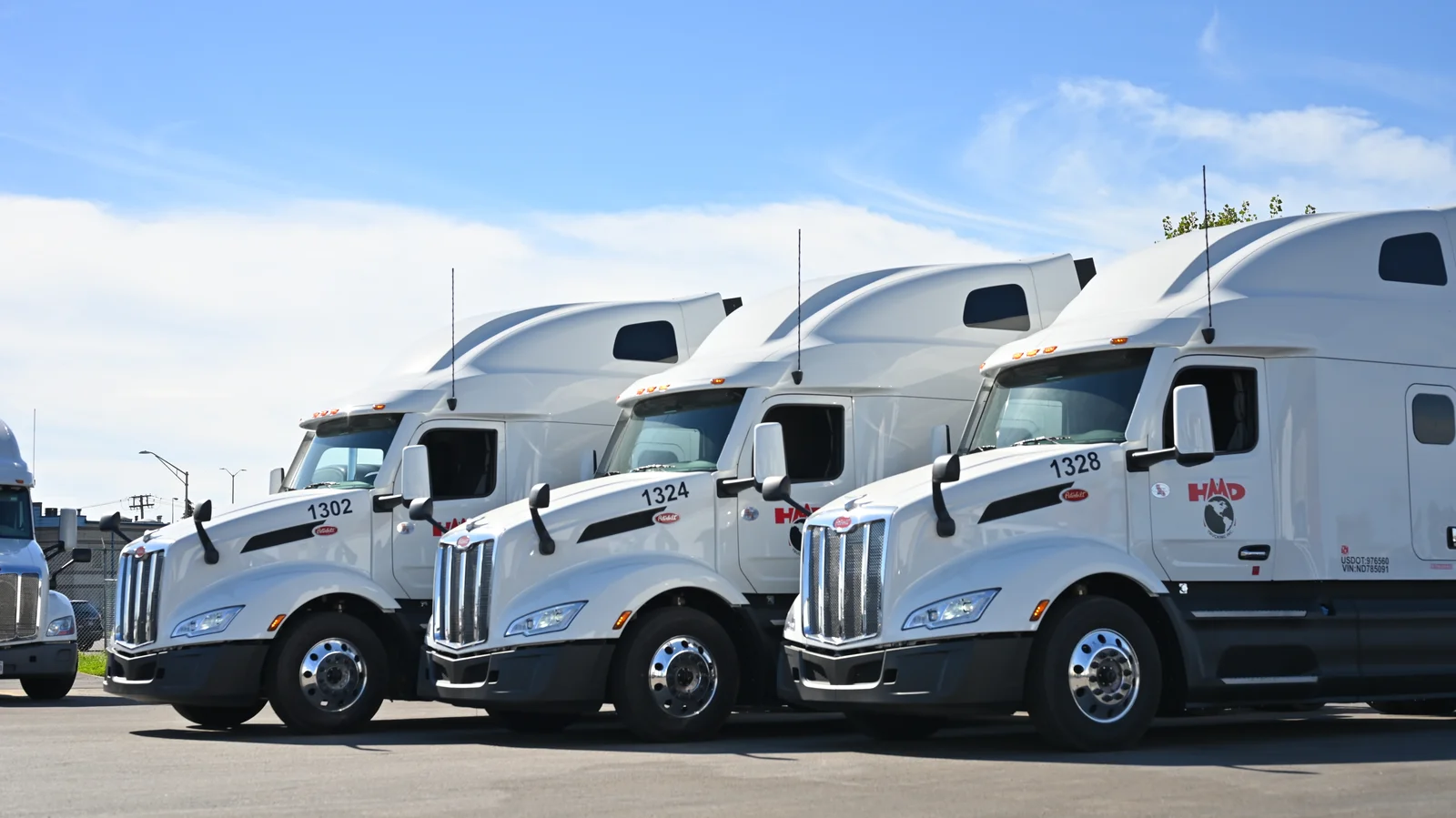
Photo courtesy of HMD Trucking.
Make compensation comparable before the interview
Charlotte’s median wage was $26.98 per hour in May 2025, compared with $28.19 nationally. Mileage pay is common in long-haul trucking, so a recruiter should also explain how many paid miles a driver can reasonably expect and what happens when a shipment is canceled.
For example, 2,150 paid miles at $0.65 generate $1,397.50 in gross base pay. At $0.70 and 1,900 paid miles, the result is $1,330. A higher rate does not necessarily produce the higher weekly paycheck. These calculations are illustrative, exclude bonuses, deductions and unpaid time, and do not assume a particular carrier’s mileage.
HMD Trucking provides an example of separating pay and work type in its Charlotte CDL-A jobs catalog. Its published dry van and flatbed OTR descriptions list base rates of 65 and 70 cents per mile, respectively, as well as multiweek home-time schedules. Candidates should check current terms and eligibility directly, including miles paid, bonus conditions, benefits and the actual reporting location.
Screen for qualifications at the right stage
The FMCSA’s entry-level driver training rules apply to people getting a Class A CDL for the first time, upgrading from Class B to Class A or seeking specified endorsements for the first time. A first-time hazardous materials endorsement has its own training requirement. Recruiters should distinguish these legal baseline requirements from the experience a particular carrier, insurance provider or customer requires.
During the initial conversation, discuss the applicant’s experience with the equipment and type of freight, preferred schedule and required credentials. Before hiring for covered safety-sensitive work, employers must complete the applicable FMCSA Drug and Alcohol Clearinghouse pre-employment query and other required qualification steps. Do not present an informal conversation as a completed compliance review.
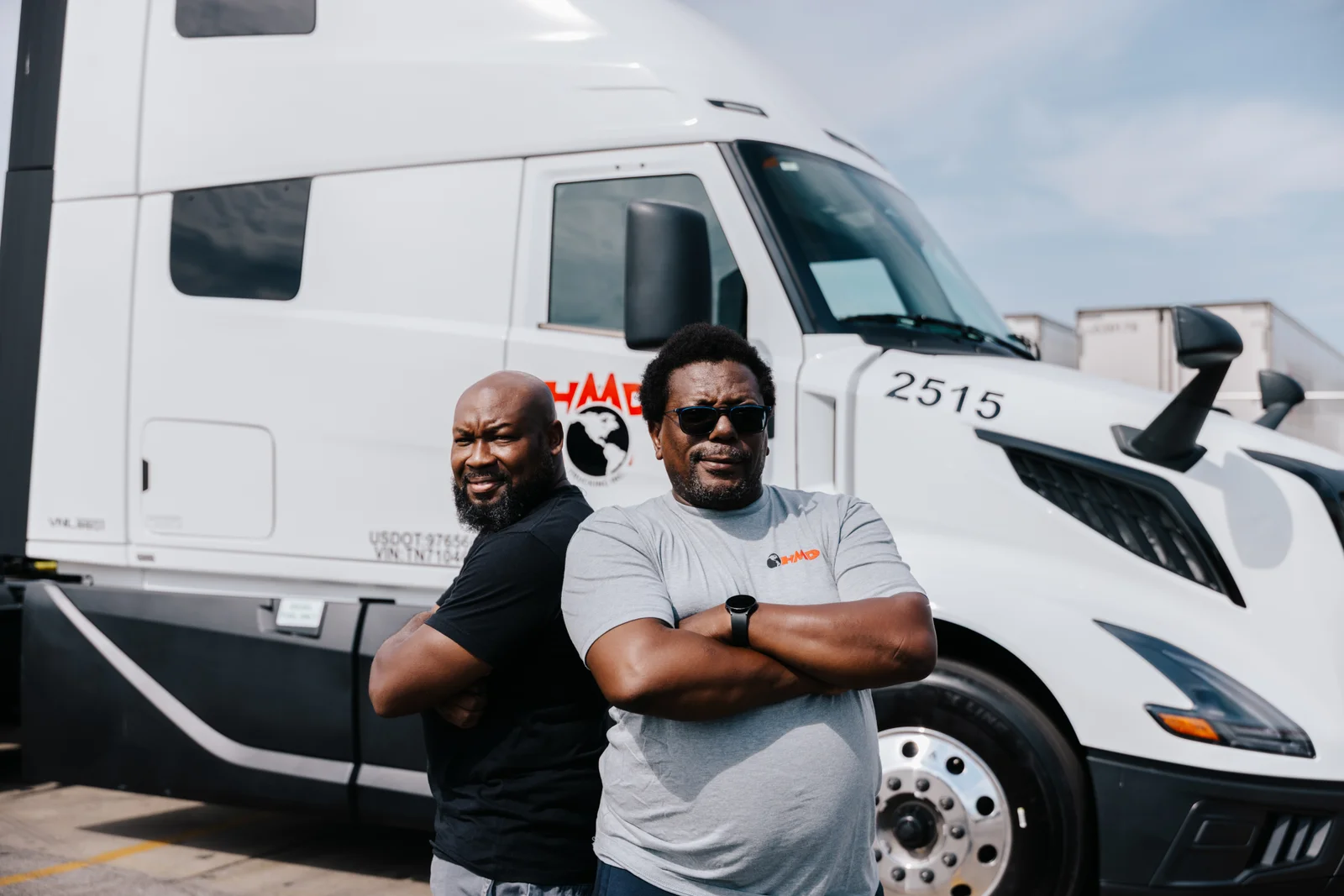
Photo courtesy of HMD Trucking.
Measure hiring success after the start date
BLS anticipates roughly 214,500 heavy and tractor-trailer driver openings per year nationwide from 2025 to 2035. A large share of projected openings replaces people who leave or move to other occupations. This is not a Charlotte vacancy count, but it illustrates why keeping experienced drivers is a real hiring priority.
| Hiring metric | Illustrative cohort | Result |
|---|---|---|
| Offer acceptance | 12 accepted of 18 offers | 66.7% |
| Start rate | 10 starts of 12 acceptances | 83.3% |
| 90-day retention | 8 remaining of 10 starts | 80.0% |
Illustrative figures only. Track a completed 90-day cohort rather than counting recent hires who have not reached the milestone.
If qualified candidates decline offers, ask whether the pay or reporting location differed from what they expected. If new starters depart, review the first assignment, miles actually received, truck readiness and communication with dispatch. A driver who must call three people to resolve a simple pay question may start looking elsewhere long before a scheduled performance review.
The strongest Charlotte hiring plans make realistic offers and keep the promises made during recruiting. That gives drivers a more reliable way to choose a job and employers a better basis for improving retention.