

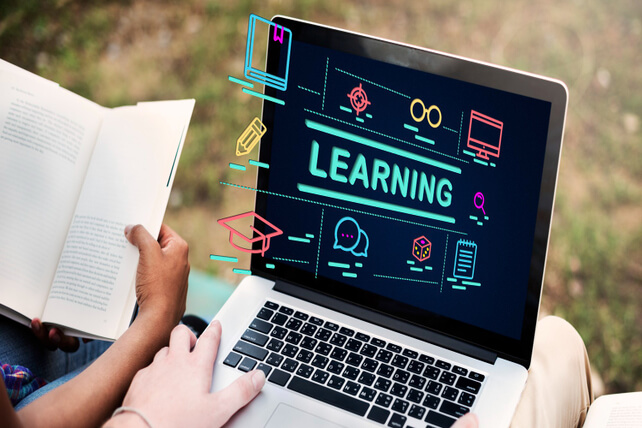
Micro-learning has become a go-to strategy for HR leaders and talent teams who need to upskill large, distributed workforces without pulling employees away from their day-to-day roles. Instead of long classroom sessions, micro-learning platforms deliver bite-sized lessons—often mobile-first, highly interactive, and easy to fit into a busy schedule.
For recruiters and HR leaders, the right micro-learning platform can:
- Accelerate onboarding and role-specific training
- Standardize knowledge across global teams
- Support continuous learning and internal mobility
- Provide data on skills, progress, and learning impact
Below is an in-depth look at 10 leading micro-learning platforms that help organizations train and upskill at scale.
1. EdApp
EdApp is a mobile-first micro-learning platform designed to deliver short, engaging lessons that employees can complete anywhere. It’s particularly popular for frontline and deskless workers who may not have regular access to laptops.
Key strengths
- Micro-lessons built for mobile – Lessons are broken into 5–10 minute chunks, with swipe-through cards, quizzes, games, and interactive elements that mimic consumer apps.
- Template-based authoring – HR and L&D teams can quickly create courses using pre-built templates, so you don’t need coding or design skills to launch training.
- Built-in content library – Offers ready-made courses on topics such as compliance, customer service, leadership, and workplace safety that can be used as-is or customized.
- Gamification & leaderboards – Badges, points, and leaderboards encourage learners to keep coming back and finishing modules.
- Analytics & reporting – Provides detailed insights on completion rates, quiz performance, and learner engagement, helping you refine training strategies.
Best for: Organizations with frontline teams (retail, hospitality, manufacturing) that need engaging, mobile-first training rolled out quickly across locations.
2. Axonify
Axonify focuses on continuous, reinforcement-based micro-learning, especially for frontline employees. Rather than one-off training events, it uses spaced repetition and daily questions to help employees retain critical knowledge over time.
Key strengths
- Personalized daily learning feed – Employees log in for just a few minutes per day to answer questions and complete short training bursts that are tailored to their role and knowledge gaps.
- Reinforcement engine – Uses science-backed techniques like spaced repetition and retrieval practice to strengthen long-term memory and reduce training “forgetting.”
- Performance-linked insights – Ties learning data to operational metrics (sales, safety incidents, etc.) so HR and business leaders can see how training affects real-world performance.
- Frontline-friendly experience – Designed for workers who may not have corporate email addresses or traditional workstations.
- Content for safety, operations, and customer service – Offers pre-built programs for common frontline use cases.
Best for: Enterprises with large frontline workforces that need ongoing reinforcement on safety, compliance, and product knowledge.
3. TalentCards
TalentCards is a micro-learning platform built around the idea of digital flashcards. It turns training material into small, card-based micro-lessons that learners can review on their phones in just a few minutes.
Key strengths
- Card-based learning format – Content is delivered as simple “cards” with text, images, and video, making it easy to consume and review.
- Very short sessions – Designed for ultra-brief training—often 2–5 minutes at a time—ideal for busy employees.
- Offline access – Once lessons are downloaded, employees can access content without a constant internet connection.
- Announcements & notifications – HR teams can send updates and reminders directly through the app to keep learners engaged.
- Simple course creation – Building card sets is straightforward, so HR or team leads can quickly convert SOPs or job aids into micro-learning.
Best for: Organizations that want a simple, lightweight platform for quick updates, SOP reinforcement, and just-in-time learning.
4. 7taps
7taps is a micro-learning creation tool that allows L&D and HR teams to design ultra-short, story-driven lessons that open directly in a browser—no app download required. It’s known for fast content production and a very user-friendly experience.
Key strengths
- Ultra-short lessons – Lessons can be completed in 3–5 minutes and are structured for maximum attention and retention.
- No-app delivery – Learners access micro-courses via a link in email, chat, or LMS, which reduces friction and helps boost participation rates.
- Visual, story-based design – Templates help you create narrative-style experiences with cards, GIFs, questions, and feedback.
- Easy integration – 7taps content can be embedded into existing learning ecosystems, including larger LMS platforms.
- Rapid authoring – Great for HR professionals who need to launch quick training on new policies, benefits, or hiring processes.
Best for: HR teams and recruiters needing instant learning campaigns—policy updates, DEI refreshers, new process rollouts, and “snackable” onboarding content.
5. Qstream
Qstream is a micro-learning and coaching platform focused on reinforcing knowledge and improving performance, especially for sales and customer-facing teams. It uses scenario-based questions and spaced repetition to drive retention.
Key strengths
- Scenario and question-driven micro-learning – Learners receive short scenario prompts and questions over days or weeks, not all at once.
- Spaced repetition engine – Automatically schedules follow-up questions based on how well each individual is performing.
- Manager dashboards – Leaders get visibility into knowledge gaps at the team and individual level so they can provide targeted coaching.
- Compliance and sales enablement – Well-suited to organizations that need constant refreshers on complex products, regulations, or selling techniques.
- Analytics on knowledge retention – Goes beyond completion data to show what people actually know and remember.
Best for: Sales, medical, financial services, and other regulated industries where knowledge accuracy directly affects performance and risk.
6. Docebo Shape / Docebo Learning Suite
Docebo is a broader learning platform, but its micro-learning capabilities—especially through Docebo Shape—help organizations build short, AI-assisted learning objects at scale.
Key strengths
- AI-assisted content generation – Docebo Shape can turn existing materials (documents, slide decks, etc.) into structured micro-learning units, saving time for HR and L&D teams.
- Multi-format micro-lessons – Supports short videos, quizzes, interactive modules, and other micro-assets that can be arranged into learning paths.
- Strong enterprise features – Includes user management, compliance tracking, certifications, and integrations with HRIS and talent systems.
- Skills and career paths – Helps organizations tie micro-learning to skills frameworks, internal mobility, and career progression.
- Blends macro and micro-learning – You can combine micro-sessions with longer courses to create end-to-end learning journeys.
Best for: Mid-size and large enterprises looking for a robust LMS with built-in micro-learning and AI-driven content repurposing.
7. SAP Litmos
SAP Litmos is a widely used LMS that supports micro-learning, compliance training, and continuous upskilling across global organizations. It’s known for its quick deployment and wide content library.
Key strengths
- Micro-course support – Makes it simple to build short learning modules with video, quiz questions, and interactive content.
- Large content library – Offers ready-made courses for compliance, leadership, customer service, and soft skills that can be delivered in micro-units.
- Mobile and offline learning – Employees can learn on the go with mobile-optimized experiences.
- Assessments and certifications – Helps HR teams manage mandatory training at scale and track completions for audits.
- Integration with existing systems – Works well inside broader HR and IT ecosystems, especially for organizations already using SAP tools.
Best for: Organizations needing a scalable LMS with strong compliance and micro-learning capabilities for global teams.
8. Cornerstone (including Grovo micro-learning content)
Cornerstone’s learning platform incorporates micro-learning through its acquisition of Grovo, which focused on short video-based lessons for modern workplace skills.
Key strengths
- Short, video-first lessons – Grovo-style content is based on concise, high-quality videos with practical tips on leadership, communication, productivity, and more.
- Skill-aligned micro-content – Courses are mapped to specific skills, helping HR leaders support reskilling and upskilling initiatives tied to competency frameworks.
- Personalized learning paths – Cornerstone can recommend micro-learning based on role, goals, and prior activity.
- Enterprise-grade administration – Offers robust compliance tracking, learning paths, and analytics that global companies require.
- Integration with performance management – Learning can be directly connected to performance reviews, development plans, and internal mobility programs.
Best for: Large organizations that want to tie micro-learning directly to performance management and long-term talent development.
9. Udemy Business (Micro-learning Collections)
Udemy Business is best known as a course marketplace for professionals, but many organizations use it as a micro-learning tool by curating short lessons and modular content into learning paths.
Key strengths
- Huge catalog of courses – Thousands of topics, from technical skills and data analysis to HR, leadership, and recruiting.
- Short, modular lessons – Courses are broken into small video segments, which employees can consume independently as micro-learning.
- Learning paths and collections – HR teams can build curated collections and learning paths around specific roles, skills, or career tracks.
- Skill insights – Provides data on skill adoption and trending topics within your organization.
- Multi-language content – Useful for global companies needing localized learning options.
Best for: Organizations that want broad skill coverage and are comfortable combining longer courses with micro-segments as part of a flexible learning strategy.
10. LearnUpon
LearnUpon is an LMS designed for corporate training that supports micro-learning alongside traditional courses. It’s often used for employee, customer, and partner education.
Key strengths
- Support for short, blended learning – HR teams can build multi-step learning paths that mix micro-lessons, videos, quizzes, and longer sessions.
- Multi-audience delivery – You can set up different learning portals for employees, customers, and partners while managing everything centrally.
- Strong reporting – Offers dashboards and custom reports to track completion, engagement, and skills progress at scale.
- Automation workflows – Assigns learning automatically based on role, location, or event triggers (such as promotions or new hires).
- Scalable for growth – Built for organizations that are expanding and need to deliver consistent training experiences across regions.
Best for: Organizations that need a single learning environment for internal employees and external audiences, with micro-learning as part of a broader training strategy.
How HR Leaders and Recruiters Can Use Micro-Learning Strategically
Choosing a platform is only half the equation—how you use micro-learning matters just as much. Here are practical ways HR leaders, L&D teams, and recruitment professionals can leverage these tools for upskilling at scale:
1. Make onboarding “always-on” and role-specific
Instead of sending new hires through a one-time onboarding marathon, break the process into:
- A core essentials track (company values, basic policies, key tools)
- Role-specific micro-paths (sales playbooks, recruiting workflows, compliance requirements)
- 30-60-90-day “drip” content (culture, internal mobility, benefits explainer modules)
Micro-learning ensures new hires don’t forget everything in week one and can learn at the right time in their journey.
2. Support recruiters and HR with just-in-time learning
Talent teams face constant change: new ATS workflows, employer branding strategies, sourcing tools, AI-powered screening, and evolving compliance rules. Micro-learning is ideal for:
- Short lessons on new sourcing platforms and AI tools
- Quick refreshers on interview compliance and bias reduction
- Micro-courses on EVP messaging, social recruiting, and candidate nurturing
This keeps recruiters sharp without pulling them out of the pipeline for full-day workshops.
3. Create internal upskilling academies
Micro-learning platforms can power internal “academies” for critical capability areas, such as:
- Leadership and people management
- Digital and data literacy
- Sales excellence and customer success
- Health and safety
By mapping micro-courses to specific skill levels, you can support structured career progression and internal mobility without overwhelming learners.
4. Reinforce learning rather than relying on one-off events
Traditional training often fails because knowledge fades quickly. Micro-learning helps you:
- Reinforce key messages after workshops or virtual training
- Test retention with short quizzes and scenario questions
- Nudge employees with periodic refreshers on high-risk topics (e.g., data privacy, workplace safety)
This continuous approach leads to better behavior change and performance improvement.
5. Use data to refine talent and learning strategies
Most micro-learning platforms provide analytics that go beyond completions—highlighting:
- Which topics employees struggle with
- How engaged different teams or locations are
- Where knowledge gaps may be affecting performance
HR and talent leaders can use this data to refine L&D roadmaps, inform workforce planning, and even adjust hiring criteria when recurring skill gaps emerge.
Final Thoughts
Micro-learning platforms are no longer “nice-to-have” add-ons—they are becoming essential infrastructure for organizations that want to upskill at scale, keep pace with change, and support continuous learning across the employee lifecycle.
Whether your priority is frontline enablement, sales performance, leadership development, or recruiter upskilling, the platforms above offer different strengths and use cases. The most successful HR and talent teams:
- Start with clear skills and business outcomes
- Choose a platform that fits their audience and tech stack
- Design short, focused learning experiences tied to real work
- Use data to continuously improve training and inform hiring and talent decisions
When done well, micro-learning doesn’t just deliver content faster—it helps create a culture where learning is part of everyday work and where employees are continuously preparing for the next role, not just the one they’re in today.