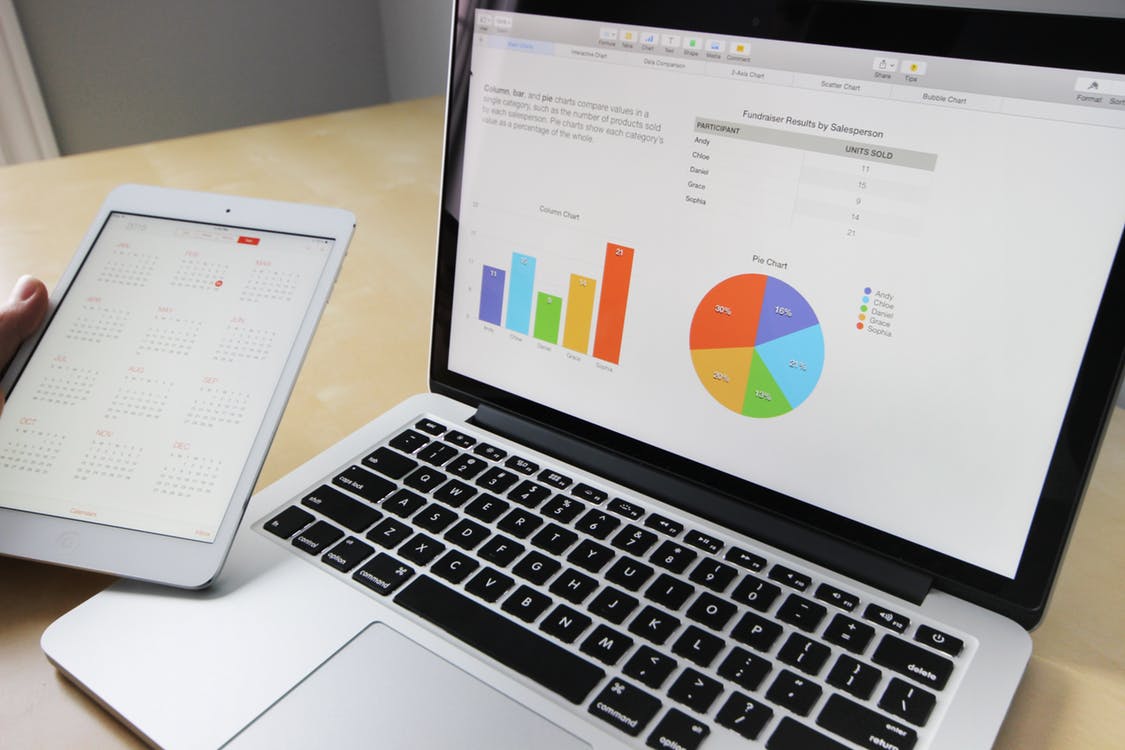




Employee recognition has changed fast. It’s no longer just “send a gift card and call it a day.” In 2026, HR teams are expected to recognize people in real time, across locations, roles, and time zones—without making it feel automated, biased, or performative. That’s where AI-powered recognition platforms stand out: they help you spot patterns (who’s being overlooked, what behaviors drive outcomes, which teams are disengaging), personalize rewards at scale, and prompt managers to recognize the right moments—without turning culture into a KPI-only machine.


The best AI employee recognition software doesn’t just automate workflows. It improves fairness, relevance, and consistency. It recommends meaningful rewards, drafts messages that still sound human, analyzes sentiment and participation, and connects recognition to values, performance, engagement, and retention. If you’re building a culture where employees feel seen—and you need proof it’s working—these are the tools worth considering in 2026.
1) Bonusly
Bonusly is one of the most recognized names in peer-to-peer recognition, and its AI-enhanced workflows make it easier to keep recognition frequent, consistent, and aligned with company values. Employees can give micro-bonuses, shoutouts, and value-based recognition in seconds, while HR gets visibility into adoption, engagement, and cultural trends.
What makes Bonusly stand out in 2026 is how it helps recognition feel effortless without feeling robotic. AI-driven suggestions can nudge users with prompts like recognizing behind-the-scenes contributions or celebrating cross-team collaboration. For managers, it’s a practical system that prevents recognition from becoming “only for top performers” and keeps it evenly distributed across teams.
Bonusly is also strong for distributed environments because it integrates seamlessly with everyday tools employees already use. Recognition can happen where work happens, and the platform’s analytics can help HR spot gaps—like departments with low participation or employees who consistently contribute but rarely receive recognition.
2) Awardco
Awardco is known for flexible rewards, massive reward catalogs, and strong scalability—making it a favorite for companies that want control and variety without creating admin chaos. The recognition experience supports peer-to-peer and manager-led programs, service awards, milestone celebrations, and performance-based recognition, all within one system.
In 2026, Awardco’s AI-supported structure helps reduce friction in running multiple programs at once. It can surface insights like which recognition types perform best, which teams underuse rewards, and how to optimize recognition budgets while improving participation. This is especially helpful for HR teams managing recognition across business units, locations, and employee types.
Awardco also enables recognition to feel personalized, not generic. With smart reward suggestions, localized options, and program rules that match your culture, it helps ensure recognition resonates—whether you’re rewarding a frontline worker, a remote engineer, or a people manager.
3) Motivosity
Motivosity focuses on creating a community-driven recognition culture, blending appreciation, rewards, and connection into a single platform experience. It’s especially strong for organizations that want recognition to become a daily habit—not just a once-a-quarter initiative.
Its AI-powered insights help HR and leaders understand what recognition looks like across teams: who’s participating, who’s being left out, and what recognition themes are emerging. The platform can also prompt managers when recognition has dropped or when certain employees have gone too long without a meaningful acknowledgment.
Motivosity’s strength in 2026 is how it ties recognition to belonging. Recognition isn’t isolated—it’s part of a broader employee experience where people can celebrate wins, share updates, and build social connection, which matters a lot for hybrid and distributed workplaces.
4) Nectar
Nectar is built for companies that want straightforward recognition with strong rewards, clean integrations, and simple admin controls. It supports peer-to-peer shoutouts, manager recognition, awards, and automated milestones while offering a reward marketplace that appeals to different employee preferences.
In 2026, Nectar’s AI-driven intelligence is especially useful for consistency. It helps managers keep recognition from becoming random or biased by surfacing reminders, participation trends, and visibility into who’s being recognized most (and least). HR teams can use these insights to improve adoption across departments and ensure recognition doesn’t cluster around a small group of high-visibility roles.
Nectar also works well for scaling recognition without making it complicated. If you want a tool that employees adopt quickly—and that gives HR enough analytics to measure culture impact—Nectar is a strong option.
5) Kudos
Kudos is designed to make recognition value-driven and culturally consistent, especially for organizations that want recognition to reflect core behaviors—not just outcomes. Employees can recognize each other using values-based tags, and leaders can tie recognition into broader engagement efforts.
In 2026, Kudos stands out for how it helps HR measure culture in a meaningful way. AI-assisted analytics can reveal which values are most recognized, which values may be ignored, and how recognition relates to engagement trends. That insight helps HR spot disconnects between what leadership says matters and what employees actually celebrate.
Kudos is also strong for global and multi-location companies. Recognition can be standardized while still allowing local flexibility, and HR can create structured programs that work across teams without losing authenticity.
6) Achievers
Achievers is a well-known platform for recognition and employee engagement, often used by organizations that want a full-scale recognition ecosystem with robust reporting and behavioral insights. It supports peer-to-peer recognition, leader-driven programs, points-based rewards, and engagement measurement.
Its AI capabilities help connect recognition to performance signals and engagement outcomes. In 2026, that matters because leadership teams want to see real business impact—like whether recognition frequency correlates with retention, productivity, or manager effectiveness. Achievers helps HR move from “recognition as a nice-to-have” to recognition as a measurable driver of culture and results.
The platform also helps reduce “recognition inequality,” where certain teams or roles receive more visibility than others. With deeper analytics and program controls, HR teams can identify where recognition is uneven and build manager habits that correct it.
7) Cooleaf
Cooleaf blends recognition with engagement challenges, wellbeing programs, and culture-building activities, making it ideal for organizations that want recognition to be part of a larger engagement strategy. It supports rewards, peer appreciation, manager recognition, and structured campaigns.
In 2026, Cooleaf’s AI-driven engagement insights can help HR understand what motivates teams and which initiatives drive real participation. Recognition can be tied into challenges and community activities, which works particularly well for distributed teams that need connection points beyond meetings.
Cooleaf is also useful for organizations trying to improve engagement without overwhelming employees. AI-assisted recommendations can help HR select campaigns that fit the culture and avoid running too many programs at once—so recognition remains meaningful instead of becoming “another platform notification.”
8) Workhuman
Workhuman is built for organizations that want recognition to be strategic, meaningful, and deeply tied to culture. It’s often used by larger companies that need enterprise-level governance, global reward capabilities, and sophisticated analytics—especially when recognition programs must scale across thousands of employees.
Its AI layer supports smarter insights and program design. Instead of just counting recognition moments, Workhuman helps identify which values are actually being reinforced, which leadership behaviors drive the most engagement, and where recognition patterns might indicate inequity or manager blind spots. This makes it especially useful for HR leaders who need recognition data to support broader culture, retention, and DEI initiatives.
Workhuman also shines in how it keeps recognition human. The platform emphasizes storytelling—why someone is being recognized, what impact they made—so it feels authentic rather than transactional. For 2026, where employees can quickly detect “culture theater,” that depth matters.
9) 15Five (Recognition + Performance Intelligence)
While 15Five is best known as a performance management platform, its recognition and engagement features have evolved into a strong option for organizations that want recognition tied closely to manager effectiveness, feedback, and continuous performance conversations.
In 2026, AI plays a practical role here: it helps managers identify coaching moments, draft thoughtful recognition messages, and detect patterns in engagement signals. This is especially valuable when managers are overloaded and recognition tends to slip. Instead of recognition being separate from performance culture, it becomes integrated into the weekly rhythm of teams.
15Five is a strong fit if you want recognition to support development—not just morale. Employees feel appreciated, but they also understand what they did well and why it mattered, which strengthens motivation and long-term performance.
10) Microsoft Viva (Recognition within the Employee Experience Layer)
Microsoft Viva isn’t a recognition-only platform, but in 2026 it has become a serious contender for organizations already living inside Microsoft 365. Recognition can be embedded into communication, community, and employee experience flows, reducing friction and increasing adoption simply because employees don’t have to “go somewhere else” to participate.
AI is central to Viva’s value—especially for surfacing insights, summarizing engagement trends, and helping leaders understand what teams are experiencing. Recognition can be tied to communities, leadership messages, and culture initiatives, making it feel more integrated and less like a standalone HR program.
Viva is a smart choice when you want recognition to live inside your daily work environment. For many organizations, that’s the difference between a recognition tool that gets used for two months—and one that becomes a real habit.
How to Choose the Right AI Recognition Platform in 2026
Pick the tool based on what you’re really solving:
- If adoption is your biggest risk: choose something lightweight and easy (Bonusly, Nectar, Motivosity).
- If you need enterprise governance and global scale: look at Workhuman, Achievers, Awardco.
- If culture measurement matters most: Kudos, Workhuman, Achievers.
- If you want recognition tied to engagement programs: Cooleaf.
- If you want recognition embedded into existing workflows: Microsoft Viva.
Also check these practical factors:
- Integrations (Slack, Teams, HRIS, SSO)
- Global reward availability and local currency options
- Admin controls for budgets, approvals, and fraud prevention
- Analytics depth (equity, participation, value alignment)
- Manager enablement (nudges, templates, prompts, reminders)
Conclusion
AI employee recognition software in 2026 is about more than automation—it’s about making recognition fairer, more consistent, and more meaningful at scale. The best platforms help you recognize the right behaviors, reduce bias, personalize rewards, and prove impact on engagement and retention.
If you’re building a culture where employees feel genuinely valued, choose a platform that matches your company’s operating reality—your team size, tools, reward needs, and how you want recognition to show up day-to-day. The strongest recognition programs aren’t the loudest—they’re the most consistent, the most human, and the most aligned with what your people actually care about.